
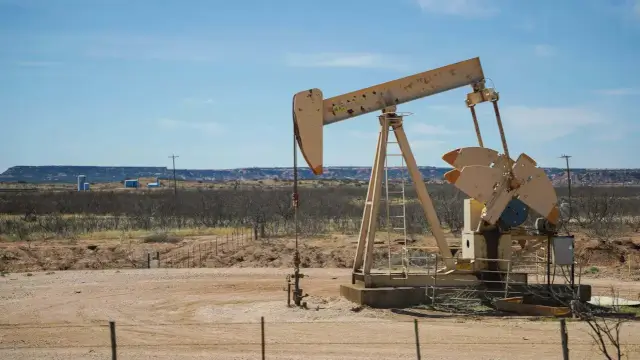
Crude oil prices surge on May 12, 2026 — Brent jumps to $104.51–$105 per barrel, WTI at $98.38 per barrel. Oil rises 3% as Trump calls US-Iran ceasefire "on life support" and rejects Iran's peace proposal as "garbage." The Strait of Hormuz remains largely closed with no resolution in sight. India faces sustained high crude import costs.
Crude Oil Prices Today — May 12, 2026
| Benchmark | Price (USD/bbl) | Change | 52-Week Range |
|---|---|---|---|
| Brent Crude | $104.51 | ▲ +2.88% | $54.98–$117.63 |
| WTI Crude | $98.07 | ▲ +2.78% | $52.48–$109.78 |
| Scenario Peak | $105.99 | Intraday high | Year-to-date high |
*Prices: Brent settlement $104.21 (May 11), WTI settlement $98.07 (May 11). Brent intraday May 12: $105.99. Source: Reuters, Trading Economics.
Why Crude Oil Surges 3% on May 12, 2026
Oil prices rose sharply on May 12, 2026, after U.S. President Donald Trump called the US-Iran ceasefire "on life support" — rejecting Iran's counterproposal to end the conflict as "garbage." The escalation pushed Brent above $105 intraday, with WTI crossing $100 briefly.
Here's what's driving prices higher today:
- Trump rejects Iran peace proposal: Trump's dismissal of Iran's response to the US peace plan as "totally unacceptable" killed hopes for a quick ceasefire extension. "The state of the ceasefire is unbelievably weak," Trump told reporters.
- Strait of Hormuz remains closed: Iran controls the waterway through which roughly 20% of global daily oil supply passes. Tankers remain stuck in the Persian Gulf with no resolution in sight since the US-Israel war against Iran began on February 28, 2026.
- Ceasefire collapse fears: The original two-week ceasefire expired and negotiations have broken down. Iran demanded compensation for war damages — a condition the US rejected outright.
- OPEC supply cuts: OPEC crude output fell 830,000 barrels per day in April — the largest monthly drop in recent memory — tightening supply further as geopolitical risk stays elevated.
- US SPR release — limited impact: The US government released ~53 million barrels from the Strategic Petroleum Reserve, but gains were capped as the market focuses on supply-side disruption rather than demand weakness.
Historical Context: How We Got Here
Since the US-Israel war against Iran began on February 28, 2026, both WTI and Brent are up more than 40%. The Strait of Hormuz has been largely non-functional for over 70 days — the longest energy supply disruption since the 1970s oil embargo. Brent has ranged from a low of ~$54 to a high of $117.63 during this period.
📊 Key Stats: WTI +40% and Brent +40% since Feb 28 start of Iran war. OPEC April output down 830K bpd. Hormuz has been closed for 70+ days with tanker traffic at near standstill.
What This Means for India
India imports over 85% of its crude oil needs, with the Middle East accounting for the majority. Sustained high crude prices mean higher import bills, pressure on the rupee, and eventually at the petrol pump.
India-specific impact as of May 12, 2026:
- Rupee pressure: The Indian rupee opened 19 paise lower on May 12 as oil-driven concerns engulfed traders. Oil and rupee have an inverse relationship — higher crude means a weaker rupee.
- India's oil diversification efforts: India has been sourcing more Russian crude as a short-term workaround during the Hormuz disruption. However, sustained high global prices still raise India's overall energy import bill.
- Petrol and diesel outlook: Indian consumers have seen petrol and diesel prices remain elevated. Any further escalation in the Iran conflict could push retail prices higher — though government subsidies can delay the pass-through.
- Strategic reserve strategy: India's own strategic petroleum reserves and relationships with OPEC+ nations become critical as global supply remains tight.
What's Next for Crude Oil Prices?
The immediate direction of oil prices depends on whether the US-Iran conflict escalates or de-escalates. Here are the key scenarios:
🔴 Scenario 1: Ceasefire Collapses
- Hormuz stays closed
- Supply crisis deepens
- Brent could retest $110–$117
- Global inflation spikes
- India pays more at the pump
🟢 Scenario 2: Ceasefire Resumed
- Hormuz reopens gradually
- Supply normalizes
- Brent could fall to $85–$90
- India gets import relief
- Petrol prices ease
Citi analysts note that oil prices can rise further if US-Iran dealmaking remains thorny — and with Trump traveling to China this week to urge President Xi to pressure Iran, the diplomatic path remains complex. China's role is crucial as the biggest buyer of Iran's sanctioned crude.
People Also Ask
What is the crude oil price today on May 12, 2026?
Brent crude is at $104.51–$105 per barrel and WTI at $98.07 per barrel on May 12, 2026 — up nearly 3% as the US-Iran ceasefire shows signs of collapse.
Why is crude oil rising on May 12, 2026?
Oil is rising because Trump rejected Iran's peace proposal as "garbage" and called the ceasefire "on life support." The Strait of Hormuz remains closed with no resolution in sight. Since the US-Iran war began Feb 28, both benchmarks are up more than 40%.
What is the Strait of Hormuz and why does it matter?
The Strait of Hormuz is a narrow waterway between Iran and Oman through which roughly 20% of the world's daily oil supply passes. Iran controls this chokepoint, and its continued closure pushes global crude prices higher.
How does high crude oil price affect India?
India imports 85% of its crude oil. High global prices increase India's import bill, weaken the rupee, and eventually push petrol and diesel prices higher at the pump — though government subsidies can delay this effect.
Will oil prices fall soon?
If China pressures Iran into concessions and the ceasefire is renewed, Brent could fall to $85–$90. But with OPEC cutting 830K bpd in April and Hormuz still closed, prices may stay elevated. Citi warns of further rises if dealmaking remains difficult.
How much have oil prices risen since the Iran war started?
Since the US-Israel war against Iran began on February 28, 2026, both WTI and Brent are up more than 40%. Brent reached a 52-week high of $117.63 and has ranged from $54.98 to $117.63 during this period.
Related Articles
- Trump Tariffs & Crude Oil Price in India 2026
- US-Iran Ceasefire and Oil Prices: What Happens Next?
- Indian Rupee at 95.29: Record Low Impact & Protection 2026
Published: April 21, 2026 | Last Updated: May 12, 2026 | Author: SK Jabedul Haque | Sources: Reuters, CNBC, Trading Economics, Times of India