
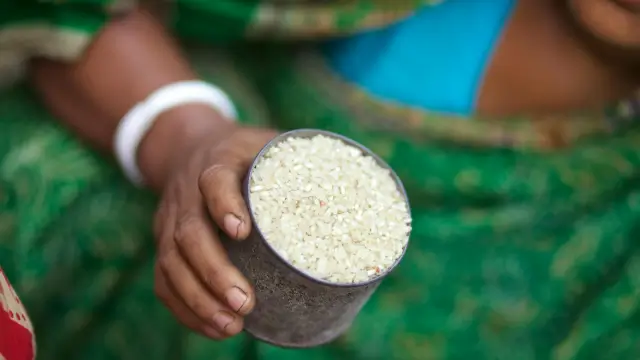
What You'll Learn
- PMGKAY 2026 Benefits: Detailed breakdown of free grain entitlements and the 2028 extension.
- Online Application Guide: State-wise portal links and document checklists for 2026.
- Mandatory e-KYC: How to link Aadhaar and complete biometric verification by the March 2026 deadline.
- Mera Ration 2.0 App: Features for migrant workers to collect ration from any shop across India.
What is the New Ration Card System 2026?
The Ration Card 2026 system in India has undergone a massive digital transformation. It is no longer just a physical booklet but a dynamic digital identity that ensures food security through the National Food Security Act (NFSA). As of May 2026, the system is 100% digitized, with all cards seeded with Aadhaar numbers to eliminate ghost beneficiaries and ensure transparency. This digital shift is part of the broader top 10 government schemes in India 2026, aiming to reach the most remote households.
A major milestone in 2026 is the full implementation of One Nation One Ration Card (ONORC). This portability initiative allows any NFSA beneficiary, especially migrant workers, to collect their entitled food grains from any of the 5.3 lakh+ Fair Price Shops (FPS) in the country using biometric authentication. For artisans moving for work, this system complements the PM Vishwakarma Yojana 2026, providing food stability while they upgrade their skills in new cities.
The 2026 update also focuses on nutritional security through the mandatory distribution of fortified rice. This specialized rice, enriched with Iron, Folic Acid, and Vitamin B12, is now being supplied across all PDS outlets to combat anemia and malnutrition. This initiative is similar in its health focus to the Ayushman Bharat PM-JAY 2026 scheme, which provides financial health cover alongside nutritional support.
PMGKAY Extension: Free Food Grains Until 2028 Explained
In a historic move, the Cabinet has approved the extension of the Pradhan Mantri Garib Kalyan Anna Yojana (PMGKAY) for five years, starting from January 1, 2024. This means that for the entire duration of 2026, 2027, and 2028, eligible beneficiaries will continue to receive their food grain entitlements **completely free of cost**. The Central Government will bear a subsidy burden of approximately ₹11.8 lakh crore to support this initiative.
| Category | Entitlement | 2026 Price |
|---|---|---|
| Priority Household (PHH) | 5 kg per person / month | ₹0 (Free) |
| Antyodaya Anna Yojana (AAY) | 35 kg per family / month | ₹0 (Free) |
| Fortified Rice Supply | 100% of Rice Allocation | ₹0 (Free) |
The extension ensures that 81.35 crore NFSA beneficiaries are protected from global grain price fluctuations. Under this policy, beneficiaries no longer need to pay the nominal rates of ₹3/kg for rice or ₹2/kg for wheat that were applicable in previous years. This free supply is a vital safety net for families who are also benefiting from the Lakhpati Didi Yojana 2.0, as it allows them to save their earnings for business investment rather than basic food needs.
Ration Card Types (AAY, PHH, APL) and 2026 Benefits
India follows a tiered Ration Card system to ensure targeted delivery of subsidies. In 2026, the eligibility criteria have been tightened to ensure only the deserving hold BPL/AAY cards. Here is the current classification:
1. Antyodaya Anna Yojana (AAY)
The "poorest of the poor" category. These cards are issued to families with no stable income source, including landless laborers, marginal farmers, and terminally ill persons. They receive the maximum benefit of 35 kg of free grains per month, regardless of family size.
2. Priority Household (PHH)
This category covers a large portion of the rural (75%) and urban (50%) population. Families are identified based on state-specific exclusion and inclusion criteria. Benefits are person-centric: the more members in the family, the higher the total grain allocation (5kg/head).
3. Above Poverty Line (APL) / Non-Priority
Families above the poverty line hold these cards. While they do not receive free grains under PMGKAY, the card serves as a valid identity and residence proof and allows them to purchase non-subsidized items from FPS in some states.
Step-by-Step Guide: How to Apply for New Ration Card Online 2026
Applying for a new ration card in 2026 is almost entirely digital. Each state maintains its own PDS (Public Distribution System) portal, but the basic documents and procedure remain standardized under NFSA guidelines.
Step 1: Document Readiness
Before logging into the portal, ensure you have scanned copies of:
- Aadhaar Cards of all family members (Mandatory).
- Income Certificate issued by the Tehsildar/BDO.
- Residence Proof (Electricity bill, Voter ID, or Rental Agreement).
- Passport-sized Photograph of the Head of the Family (usually female).
- Bank Passbook showing Aadhaar seeding.
Step 2: Online Registration
Visit your state's food department portal (see our branded table below for the full list). Click on "New Ration Card Application". You will need to create a login using your mobile number and OTP. Fill in the family details exactly as they appear on the Aadhaar cards.
Step 3: Verification & e-KYC
Once submitted, a Food Inspector (FI) or local village officer will visit your residence for physical verification. In 2026, many states are using a "Geo-tagged Verification" process where the officer takes a photo of the house through a specialized app. After approval, you can download the e-Ration Card immediately.
| State | Official Portal Link (2026) |
|---|---|
| Uttar Pradesh | fcs.up.gov.in |
| Bihar | epds.bihar.gov.in |
| West Bengal | food.wb.gov.in |
| Maharashtra | mahafood.gov.in |
| Rajasthan | food.rajasthan.gov.in |
Mandatory e-KYC and Aadhaar Seeding: Deadlines & Process
To continue receiving free grains in 2026, the government has made e-KYC mandatory for every member listed on a ration card. This is to ensure that only living and eligible individuals are receiving benefits. The 2026 deadline for most states has been set to March 31, 2026.
How to complete e-KYC:
1. At the FPS: Visit your local ration shop with all family members. The dealer will use the e-PoS (electronic Point of Sale) machine to capture biometric fingerprints.
2. Via App: In states like West Bengal and UP, you can complete e-KYC through the state PDS app using Face Authentication.
3. Common Service Centers (CSC): You can also visit a CSC center if the FPS biometric machine is failing.
If you fail to complete e-KYC by the deadline, your individual name may be struck off from the card, leading to a reduction in the total family grain quota. This drive has already helped the government recover ₹263 Crore from fraudulent claims by April 2026.
Mera Ration 2.0 App: Managing Your Entitlements on the Go
The Mera Ration 2.0 app, launched in early 2026, is a game-changer for digital food security. It is available on both Android and iOS and provides real-time data to beneficiaries. Key features include:
- Aadhaar Login: No need to remember complex ration card numbers. Just log in with Aadhaar and OTP.
- Ration Entitlement: See exactly how many kilograms of rice, wheat, and coarse grains you are entitled to for the current month.
- Recent Transactions: Check the history of when you last collected ration and at what shop.
- Nearest FPS: Uses GPS to show the closest 10 Fair Price Shops and their current stock levels.
- Migration Registration: Essential for ONORC. If you are moving to a new state for work, you can update your location on the app to collect ration there.
One Nation One Ration Card (ONORC): Benefits for Migrant Workers
Under the ONORC scheme, a beneficiary from Bihar working in a construction site in Karnataka can collect their 5 kg of free rice from a local shop in Bengaluru using their Aadhaar biometric scan. There is no need to change the ration card or apply for a new one in the target state. In 2026, this system is now operational across 100% of India's fair price shops. This portability ensures that no worker goes hungry while contributing to India's infrastructure growth.
How to Add or Delete Family Members in Ration Card (2026 Updates)
Updating your family list is now a simple online task. For New Member Addition, you must provide the birth certificate (for newborns) or marriage certificate (for new brides). Their Aadhaar must be linked to the application. For Member Deletion (due to death or marriage out of family), the death certificate or marriage certificate is required. These changes are usually reflected in the system within 15 working days.
Conclusion: Ensuring Food Security for Every Indian Household
Ration Card 2026 is a robust shield against hunger, empowered by digital technology and a massive ₹11.8 lakh crore government commitment. With free grains guaranteed until 2028 under PMGKAY and the convenience of the Mera Ration 2.0 app, food security is now more accessible than ever. Whether you are a local resident or a migrant worker, ensure your e-KYC is complete before the March 2026 deadline to keep your benefits active. For those looking for long-term savings, consider investing your food grain savings into a Sukanya Samriddhi Yojana 2026 account for your daughter's future.
Last Updated: May 25, 2026 | Source: Department of Food & Public Distribution (Official Website)