
What You'll Learn
- ✓ Complete 2026 subsidy structure from ₹30,000/kW up to ₹78,000 maximum.
- ✓ Higher subsidy slabs for Special Category States (Northeast, Hill states).
- ✓ Step-by-step 5-stage registration guide on the National Portal pmsuryaghar.gov.in.
- ✓ Solar loan options from SBI, PNB, and Canara Bank at low interest rates.
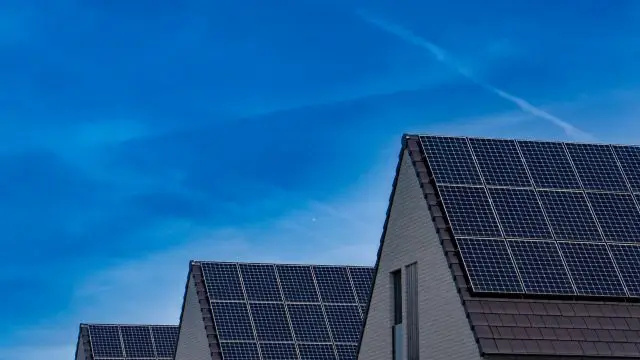
The PM Surya Ghar Muft Bijli Yojana 2026 is India's most ambitious residential solar energy initiative. With Union Budget 2026-27 allocating ₹22,000 crore for the scheme, the government aims to cover 1 crore households with rooftop solar installations by March 2027. Over 16.5 lakh households have already installed solar panels under this scheme. The program provides a Central Financial Assistance (CFA) of ₹30,000 per kW for the first 2 kW and ₹18,000 per kW for the third kW, capped at ₹78,000. For Special Category States, the subsidy is 10-30% higher. The scheme is implemented through the National Portal pmsuryaghar.gov.in in collaboration with state DISCOMs and empanelled vendors.
2026 Subsidy Slabs: How Much CFA Will You Get?
The subsidy is calculated based on system capacity. For a typical Indian household, a 3kW system provides the best value as it maximizes the subsidy cap.
| System Capacity | Standard CFA | Special Category States |
|---|---|---|
| 1 kW System | ₹30,000 | ₹33,000 |
| 2 kW System | ₹60,000 | ₹66,000 |
| 3 kW or Higher | ₹78,000 (Fixed) | ₹1,17,000 (Max) |
Step-by-Step Online Application Process
The application process has 5 simple stages:
- Registration: Visit pmsuryaghar.gov.in, select your state and DISCOM, enter your consumer number and mobile number.
- Feasibility Approval: Your DISCOM reviews the application and approves technical feasibility within 7-15 days.
- Installation: Once approved, get the system installed by any empanelled vendor using ALMM-compliant modules.
- Net Metering: Apply for net meter installation. After commissioning, the DISCOM installs the bi-directional meter.
- Subsidy Claim: Submit bank details for DBT credit. The subsidy is credited within 30 days of commissioning.
Solar Loans from SBI, PNB, and Canara Bank
Public sector banks offer collateral-free solar loans for PM Surya Ghar beneficiaries at competitive rates. SBI's Surya Ghar Loan has been the most popular product in 2026.
| Bank | Interest Rate (2026) | Max Loan Amount |
|---|---|---|
| State Bank of India | 7.25% - 7.50% | Up to ₹6 Lakh |
| Punjab National Bank | 7.40% - 7.85% | Up to ₹5.5 Lakh |
| Canara Bank | 7.35% - 8.00% | Up to ₹6 Lakh |
State-Specific Top-Up Subsidies
Several states offer additional subsidies on top of the central CFA. Uttar Pradesh provides ₹15,000/kW extra, making the total subsidy for a 2kW system ₹90,000. Bihar and Rajasthan have similar programmes for rural households. Check the 'State Scheme' section on the National Portal after login to see if your state qualifies. The scheme also benefits from the Digital India push, similar to the SVAMITVA Scheme which uses drones for property validation.
Technical Guide: Net Metering and ALMM Compliance
In 2026, all installations must use ALMM (Approved List of Models and Manufacturers) compliant solar modules. Net metering allows excess daytime solar power to be fed back to the grid, earning credits for nighttime consumption. The DISCOM must install the net meter within 15 days of application. Smart meters are now mandatory in most states, enabling real-time monitoring of generation and consumption. For farmers, this scheme complements the benefits of the PM-KISAN income support by reducing electricity costs.
Eligibility and Required Documents
Any Indian resident with a valid electricity connection can apply. The key requirements are a shadow-free rooftop space of at least 100 sq.ft for a 1kW system and 300 sq.ft for 3kW. Required documents include the latest electricity bill, Aadhaar card, bank passbook (Aadhaar-seeded for DBT), and house tax receipt (for some states). Ensure your NPCI DBT Link is active to avoid subsidy delays. Tenants can apply with a No Objection Certificate (NOC) from the house owner.
Conclusion
PM Surya Ghar Muft Bijli Yojana 2026 is India's most attractive green energy initiative. With a central subsidy of up to ₹78,000, state top-ups, and low-interest solar loans from SBI at 7.25%, installing rooftop solar has never been more affordable. The scheme eliminates electricity bills for 25+ years, protects against tariff hikes, and contributes to India's net-zero target. With the ₹22,000 crore budget allocation for 2026-27, now is the best time to apply. For health and insurance, women beneficiaries should also check the Mahila Samman Savings Certificate for safe investment of solar savings.
Last Updated: May 26, 2026 | Source: Ministry of New and Renewable Energy (Official pmsuryaghar.gov.in Portal) & PIB India