
What You'll Learn
- Why the Fed is now leaning toward rate hikes despite holding steady at 3.50%-3.75%
- How the Iran war and $100+ oil are driving inflation back above the Fed's 2% target
- What the S&P 500 record close at 7,520 means for stocks, bonds, and crypto
- Practical portfolio moves to protect gains before the next FOMC meeting on June 17
Why the Fed Is Considering Its First Rate Hike in Three Years
Rate hikes are back on the table for the first time since the aggressive tightening cycle of 2022-2023. At the April 29, 2026 FOMC meeting, the Federal Reserve held the federal funds rate steady at 3.50%-3.75% for the third consecutive meeting — but the decision was anything but routine. Three officials dissented, marking the highest level of internal division since 1992, according to CNBC reporting on the April decision.
The May 20 FOMC minutes confirmed what markets had feared: a majority of officials now believe interest rate increases would be necessary if inflation continues to stay elevated. This represents a dramatic shift from just six months ago, when the Fed was projecting multiple rate cuts for 2026.
The catalyst behind this hawkish pivot is unmistakable. The U.S. consumer price index accelerated to 3.8% year-over-year in April 2026, the highest reading since May 2023, according to Trading Economics data. That is nearly double the Fed's 2% inflation target, and the trajectory is moving in the wrong direction.
As Federal Reserve Chair Jerome Powell warned at the March press conference, the Iran conflict's impact on oil prices represents a significant complicating factor for the inflation outlook. The Dallas Fed's April 2026 research quantified the risk: under a plausible scenario, the Iran war could add 0.6 percentage points to fourth-quarter headline PCE inflation.
Three dissenting Fed officials spoke publicly in early May, with one telling Yahoo Finance that "the next rate change could be either a cut or a hike." That kind of ambiguity from within the central bank itself underscores just how finely balanced the policy debate has become.
Iran War Oil Shock: How $100+ Crude Reshaped the Inflation Outlook
The Iran war that erupted in late February 2026 sent immediate shockwaves through global energy markets. Brent crude oil surged 10-13% to around $80-$82 per barrel within days, according to Wikipedia's timeline of the 2026 Iran war fuel crisis. By late April and early May, Brent had breached the psychologically critical $100 per barrel mark, reflecting fears of prolonged disruptions to shipments through the Strait of Hormuz — the key chokepoint handling roughly 20% of global oil flows.
The oil price surge did not happen in isolation. CNBC's detailed timeline shows how escalating tensions between the U.S. and Iran throughout April created a volatile feedback loop: each military escalation pushed crude higher, which fed directly into gasoline prices, which pushed headline CPI upward, which then reinforced expectations that the Fed would need to act more aggressively.
However, the picture shifted dramatically on May 20 when President Trump announced that Iran peace talks were in their "final stages." Brent crude immediately fell below $100 per barrel, settling at $105.02 that day after a 5% single-session decline, as reported by CNBC. By May 25, oil had tumbled nearly 7% in a single day to $96.30 per barrel on hopes of an imminent breakthrough, according to Reuters.
The Statista chart tracking fuel price changes worldwide since the start of the Iran war provides a stark visualization: consumers across the U.S. and Europe experienced sharp spikes at the pump, while the diplomatic uncertainty kept traders on edge. As of May 27, Brent crude had settled near $96 per barrel, hovering at a five-week low as optimism grew that a peace agreement could reopen the Strait of Hormuz.
S&P 500 Record High: Can the Rally Survive a Hawkish Fed?
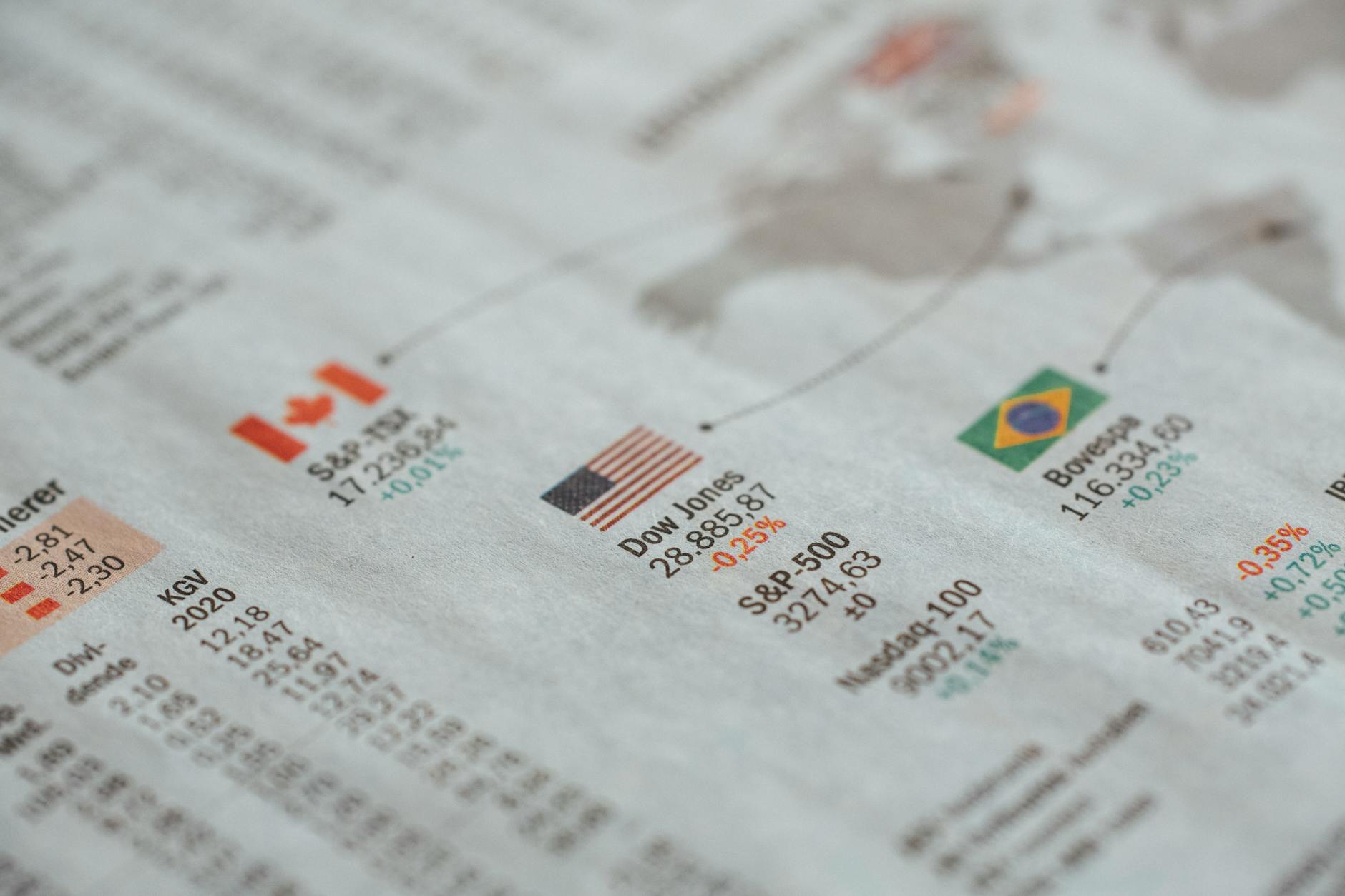
While the Fed debate rages, the stock market has been writing its own headline. On May 26, the S&P 500 surged 0.61% to close at 7,519.12, setting a new all-time high. The Nasdaq Composite jumped 1.19% to 26,656.18. The following day, May 27, all three major indexes — the S&P 500, Nasdaq, and Dow Jones — closed at fresh records together for the first time in recent memory, according to the Associated Press.
The May 26 rally was led by semiconductor stocks, with Micron Technology posting a standout gain that lifted the broader chip sector. As Investopedia noted, the S&P 500 and Nasdaq Composite set both intraday and closing records, powered by what Vital Knowledge founder Adam Crisafulli described as "the continued explosion in optimism for all things AI."
The Russell 2000 small-cap index also participated, gaining 1.77% on May 26, suggesting the rally broadened beyond just mega-cap tech names. Nine of the 11 S&P 500 sectors closed in the green that day.
But here is the tension that investors must grapple with: the market is rallying on AI momentum and Iran peace hopes, while the Fed is simultaneously signaling that rate hikes may be coming. Historically, rising rate expectations eventually weigh on equity valuations, particularly for growth and tech stocks. The question is whether the AI theme is powerful enough to override traditional Fed policy headwinds.
CME FedWatch data as of May 20, 2026 showed a 54.1% probability of at least one rate hike by year-end, compared to just 44.4% for rates remaining unchanged and a mere 1.5% for a cut. This hawkish repricing sent Bitcoin down 3.8% to $65,900 on the same day, illustrating how sensitive risk assets have become to Fed policy expectations.
Notably, prediction markets are somewhat more conservative than futures pricing. Polymarket showed a 25% probability of a rate hike, while Kalshi stood at 27% — roughly half the CME futures reading. As Jugger Insight analysis noted, the gap likely reflects hedging flows in the futures market that can overstate expectations.
Rate Hike Odds: From Zero to 54% in One Month
| Metric | April 2026 | May 20, 2026 |
|---|---|---|
| Fed Funds Rate | 3.50%-3.75% (held) | 3.50%-3.75% (held) |
| CME Rate Hike Probability | ~0% | 54.1% |
| CPI Inflation (YoY) | 3.3% (March) | 3.8% (April) |
| Brent Crude Oil | $100+/barrel | ~$96/barrel |
| S&P 500 | ~7,200 range | 7,520 (record) |
| FOMC Dissenters | 3 (highest since 1992) | Majority favor hikes |
The speed of this repricing is what makes it remarkable. In early April, virtually no one was pricing in a rate hike for 2026. The CME FedWatch tool showed the probability at exactly 0%. Within a single month, that figure flipped to over 54% — one of the most dramatic hawkish shifts in modern Fed history.
The June 17, 2026 FOMC meeting is widely expected to be a hold, with CME data showing a 99.9% probability of rates staying at 3.50%-3.75%. But the real action is in the forward guidance. If inflation continues to run hot through the summer — and the Dallas Fed's research suggests the Iran war effect will persist — the July or September meetings could see the first actual rate increase.
For context, the Fed last raised rates in July 2023, bringing the federal funds rate to a peak of 5.25%-5.50% before the cutting cycle began in September 2024. A new hike would mark a startling reversal of the easing narrative that dominated markets throughout late 2024 and early 2025.
What This Means for Stocks, Bonds, and Crypto
For stocks: The S&P 500's record run is built on two pillars — AI enthusiasm and geopolitical optimism. Both are fragile. A hawkish Fed could introduce a third variable that forces a re-rating of growth stocks. The Motley Fool's analysis of the best-performing stocks of 2026 shows that semiconductor and AI infrastructure names have led the rally, but these are precisely the sectors most sensitive to rising discount rates.
For bonds: Rising rate expectations have already pushed Treasury yields higher, which is why the Dow lagged the S&P 500 and Nasdaq on May 26 despite the broader market optimism. Bond investors are pricing in the risk that the Fed may need to tighten policy even as economic growth slows — the classic stagflation playbook.
For crypto: Bitcoin fell 3.8% to $65,900 on May 20 when the Fed rate hike odds crossed 54%. The cryptocurrency has been trading in a range between $63,000 and $70,000, struggling to break higher as rate hike fears offset the positive sentiment from Bitcoin ETF inflows that topped $100 billion in institutional commitments earlier this year.
The Iran Peace Factor: Why Oil Could Drop Below $80
The single biggest wildcard in the Fed rate hike debate is the outcome of the Iran peace negotiations. If a deal is struck and the Strait of Hormuz reopens, oil prices could fall dramatically — potentially below $80 per barrel, which was the level before the war began in late February.
Bloomberg reported on May 26 that markets were seeing "solid gains" on expectations of a deal with Iran to reopen Hormuz. The oil price reaction has already been significant: Brent crude fell from above $105 to below $96 in just one week as diplomatic progress accelerated.
A rapid decline in oil prices would remove the primary driver of the inflation spike and potentially defuse the rate hike narrative entirely. The Fed's own March projections still included one rate cut for 2026, according to Reuters reporting on the March FOMC decision. If oil drops back to the $75-$80 range, the inflation argument for hiking rates weakens considerably.
However, the peace deal is far from certain. Previous rounds of negotiations have collapsed, and military escalation remains possible. The Guardian reported on May 25 that while optimism was growing, traders remained cautious about the durability of any ceasefire. The prudent approach is to prepare for both scenarios.
Portfolio Strategy: How to Position Before June 17 FOMC
With the June 17 FOMC meeting just weeks away, here are practical steps investors can consider to navigate the uncertainty:
1. Review your equity exposure to rate-sensitive sectors. Real estate, utilities, and highly leveraged growth stocks tend to underperform when rate expectations rise. The S&P 500's current record highs may not reflect the full impact of a hawkish Fed pivot.
2. Consider short-duration bonds. If rate hikes materialize, longer-dated bonds will lose value. Short-duration Treasury bills and notes offer attractive yields with less interest rate risk. The current 3.50%-3.75% fed funds rate already provides a reasonable baseline return for cash-equivalent positions.
3. Hedge against oil volatility. The Iran peace deal outcome will determine whether oil prices stabilize or spike again. Energy ETFs or options strategies can provide exposure to upside while limiting downside risk if a deal falls through.
4. Don't chase the AI rally at any valuation. The AI theme is real and powerful, but valuations matter. Micron and other semiconductor names have already priced in significant growth. Adding positions at record highs carries elevated risk if the macro backdrop shifts.
5. Keep dry powder. The market's inability to resolve the Fed policy question quickly creates opportunity. Having cash reserves positions you to buy quality assets during any pullback triggered by hawkish Fed communication.
Conclusion
The collision between record stock market highs and rising rate hike odds creates one of the most complex investment environments in recent memory. The S&P 500 at 7,520 reflects genuine AI-driven optimism, but the 54% CME probability of a rate hike — up from 0% just one month ago — signals that the macro backdrop is shifting faster than most investors realize.
The Iran peace negotiations represent the single biggest variable. A deal could deflate oil prices, ease inflation fears, and keep the rally alive. Continued conflict does the opposite. Until the June 17 FOMC meeting provides clearer guidance, the best strategy is defensive positioning with selective exposure to the strongest themes — not chasing every green day at record highs.
Last Updated: May 28, 2026 | Source: Federal Reserve (Official Website), CNBC, Reuters
Join our WhatsApp community for real-time market updates, expert analysis, and portfolio insights.